
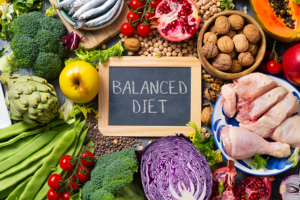
The nutrition community has long espoused the value of a balanced diet, but this can be interpreted in many ways. Are we talking about
balanced food groups? Or perhaps balanced macronutrients? Or perhaps balance between fast foods and slow foods?
When you are focused on an adaptable and patient-centered approach, the answer to all 3 questions above is, “Yes!”
In dialysis, however, there seems to be a striking imbalance that research shows is not doing our patients any benefit. Whether intentionally or accidentally, we have encouraged patients on dialysis to cut back on plant-based foods to reduce potassium and phosphate and push animal-based foods
to get the all-important high-biological value protein (HBV).
HBV continues to be very important to help prevent or help manage malnutrition and protein-energy wasting. However, we know that inflammation, oxidative stress, metabolic acidosis, and production or uremic toxins can be reduced by bringing more dietary balance and inclusion of plant foods.
Here we provide a couple recipes to inspire you and your patients to incorporate more plants into their renal diets:
Chickpea Salad
- 1 (15.5 ounce) can no-salt-added chickpeas, rinsed
- 3 tablespoons extra-virgin olive oil
- 1.5 tablespoons lemon juice
- 1 teaspoon Dijon mustard
- 2 tablespoons mayonnaise of your choice
- ¼ teaspoon dried dill
- ½ cup chopped celery
- ¼ cup chopped green onion
- Freshly ground pepper to taste
Mix all ingredients in a bowl. Serve over lettuce, on whole wheat bread, or in a tortilla/wrap. Makes 2 servings.
Pasta Salad
- Combine the following ingredients:
- 1 lb. cooked pasta of your choice. I recommend one of the following- fusilli, farfalle or rotini
- 1 Chopped cucumber
- 2 chopped bell peppers (any color)
- ¼ cup chopped pitted kalamata olives
- ½ cup shredded parmesan or feta cheese
- 1 small red onion diced
- 1 can drained garbanzo beans
Toss with your choice of low sodium renal friendly vinaigrette dressing (can make one) or try Newman’s Own Oil & Vinegar dressing.
Italian Dressing recipe:
- ½ cup extra virgin olive oil
- ½ cup red wine vinegar (or white wine vinegar)
- 1 tbsp dried parsley
- ½ tsp ground thyme
- ¼ tsp ground oregano
- ¼ tsp ground marjoram
- ¼ tsp garlic powder
- ¼ tsp onion powder
- Pinch black pepper
- Optional: 1 tsp granulated sugar (or honey) to balance the acidity
If you or your patient is concerned about potassium and or phosphate content of plant foods, it can help to remember the bioavailability
is much lower than the full content of plant foods. However, if you feel it is necessary, there are easy methods to remove those nutrients:
Double-Boiling Method – used for root vegetables
- Peel and cut potatoes
- Place in pot of water and bring to a boil
- Drain off water and rinse potatoes
- Add fresh water to the pot and boil until potatoes are tender
- Drain and use potatoes as desired
- Peel and cut vegetables into small pieces
- In a pot, cover the vegetables in warm water for at least 4 hours, up to overnight. Change the water out every few hours. The water should be at least double the volume of vegetables
- Pour off water, rinse vegetables, and prepare as desired
- Using a ratio of 5:1 water to food
- Boil, remove from heat, and submerge food.
- Soak leafy greens and tomatoes for at least 5 minutes
- Soak meat, grains, other vegetables, and beans for at least 10 minutes
Long Soak Method – use for root vegetables
Short Soak Method – use for a variety of foods
For more patient and clinician resources on plant-based diets, malnutrition, and more please visit our clinician portal.
Thank you to Rory Pace, MPH, RD, CSR, FAND, FNKF, Jill Bland, MS, RD, LDN, and Maiya Hogan, MS, RD, CD, CNSC for their contributions to this blog post.



References